Lưỡng Đạo
Category: Apparel
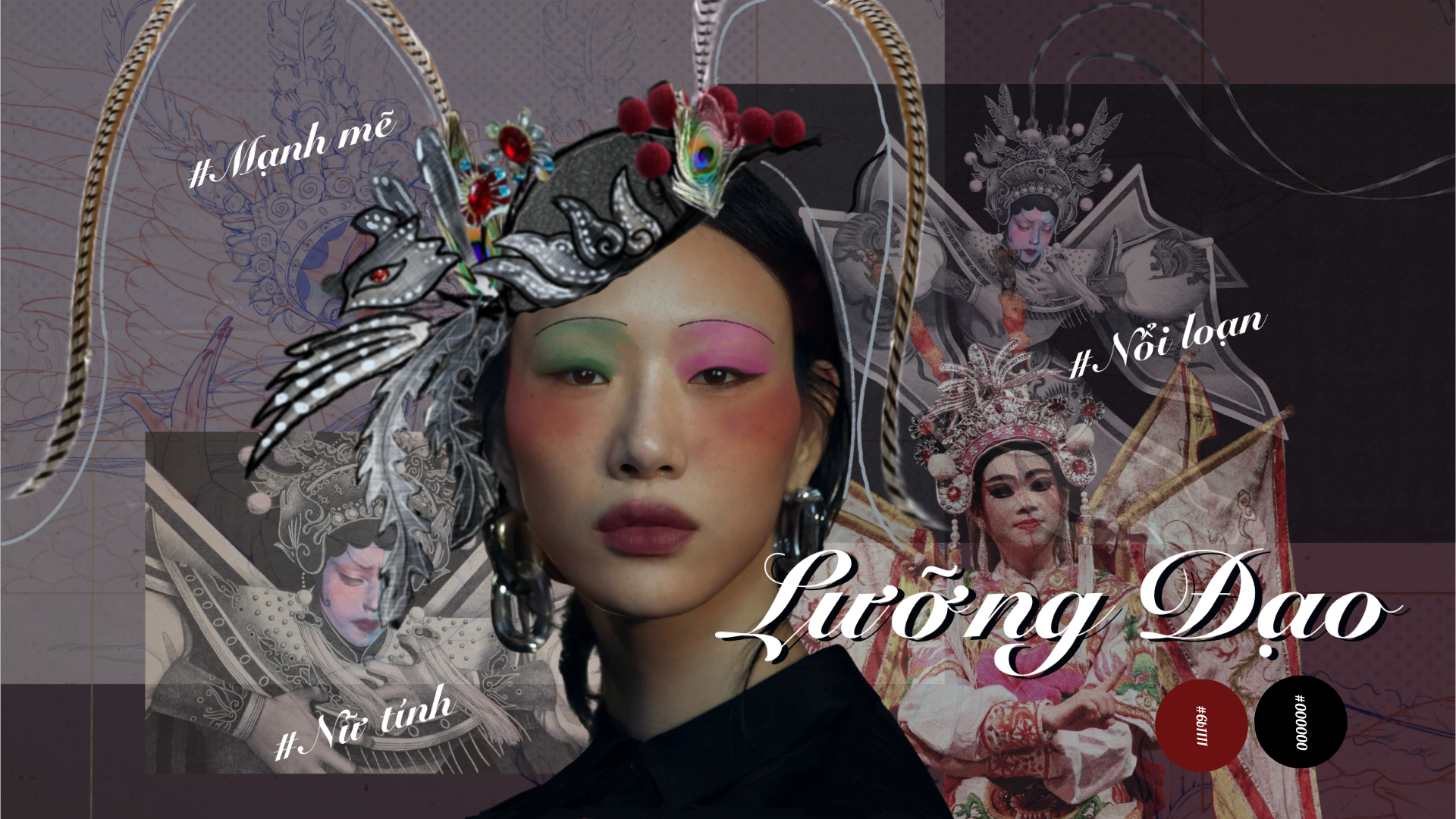
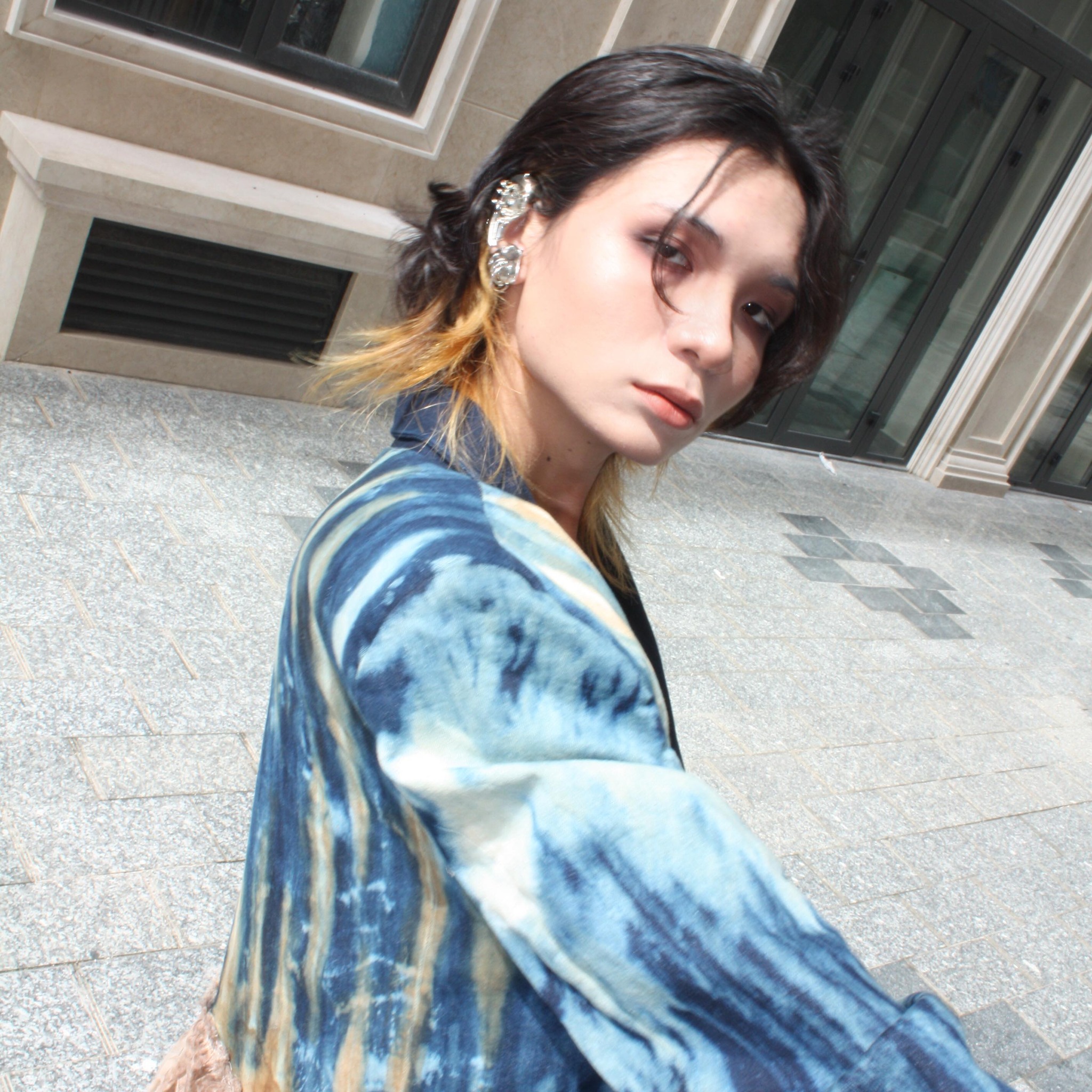
The collection draws its inspiration from the climactic tragedy of the female warrior Đào Tam Xuân, a pivotal figure in classical Vietnamese opera. At the height of the narrative, her husband, Trịnh Ân, and her son, Trịnh Ấn, are killed as a consequence of Emperor Triệu Khuông Dẫn’s inadvertent failure to prevent a deadly conspiracy orchestrated by Hàn Phụng and Hàn Tố Mai. Upon receiving the devastating news, Đào Tam Xuân is plunged into profound grief. She becomes torn between two irreconcilable moral imperatives: her loyalty to the sovereign and her deep familial bonds as a wife and mother. Ultimately, she chooses to uphold the latter, confronting the emperor to demand justice. This moment constitutes one of the most compelling and critically significant episodes not only within the Hát Bội repertoire but also among contemporaneous dramatic traditions. Unlike many narratives of its time, this work situates a woman at the center of power rather than dependency. As a đào võ (female warrior role), Đào Tam Xuân is placed in direct confrontation with two foundational ethical principles: loyalty (trung) and righteousness (nghĩa). In integrating a Gothic aesthetic, the collection seeks to further intensify the emotional gravity of her dilemma—emphasizing the visceral anguish of a woman compelled to tear her own heart apart in order to choose between two paths, each embodying a core philosophy of her existence. Through this lens, Đào Tam Xuân emerges as a singular emblem of femininity within traditional art: no longer passive or subordinate, but actively confronting and determining her own fate. Yet what renders her profoundly human—and deeply modern—is not merely her strength, but her capacity to grieve, to fracture, and to remain vulnerable. Her power does not lie in emotional detachment, but in her ability to act even as her heart is breaking. This tragedy continues to resonate in contemporary contexts. Modern individuals are still confronted with the tension between duty and emotion, between structure and self. At times, maturity is not defined by choosing what is “right,” but by having the courage to bear the consequences of one’s choice.
 Copy URL
 Login to Like 0