SPIKES
Category: Accessories
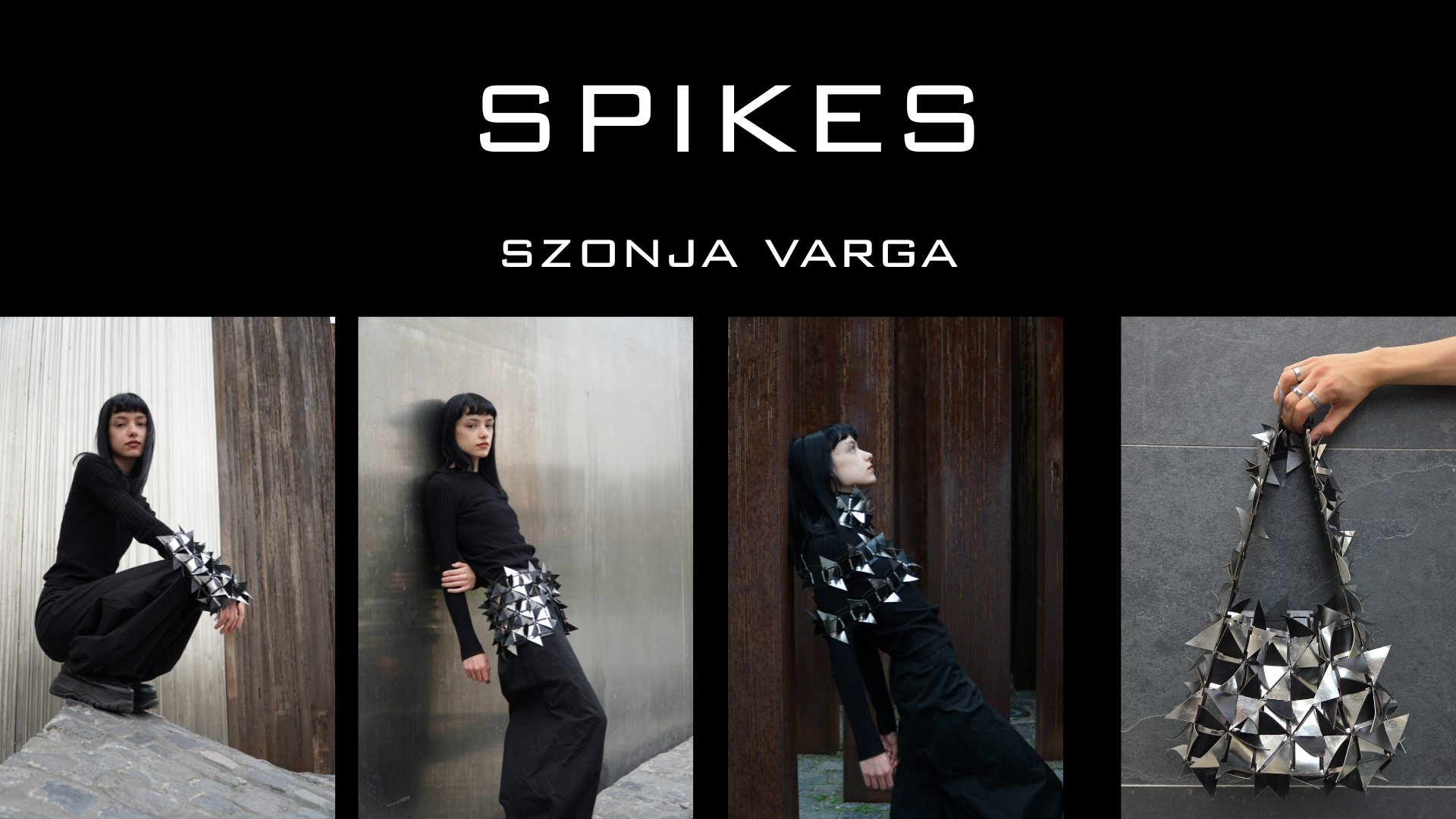
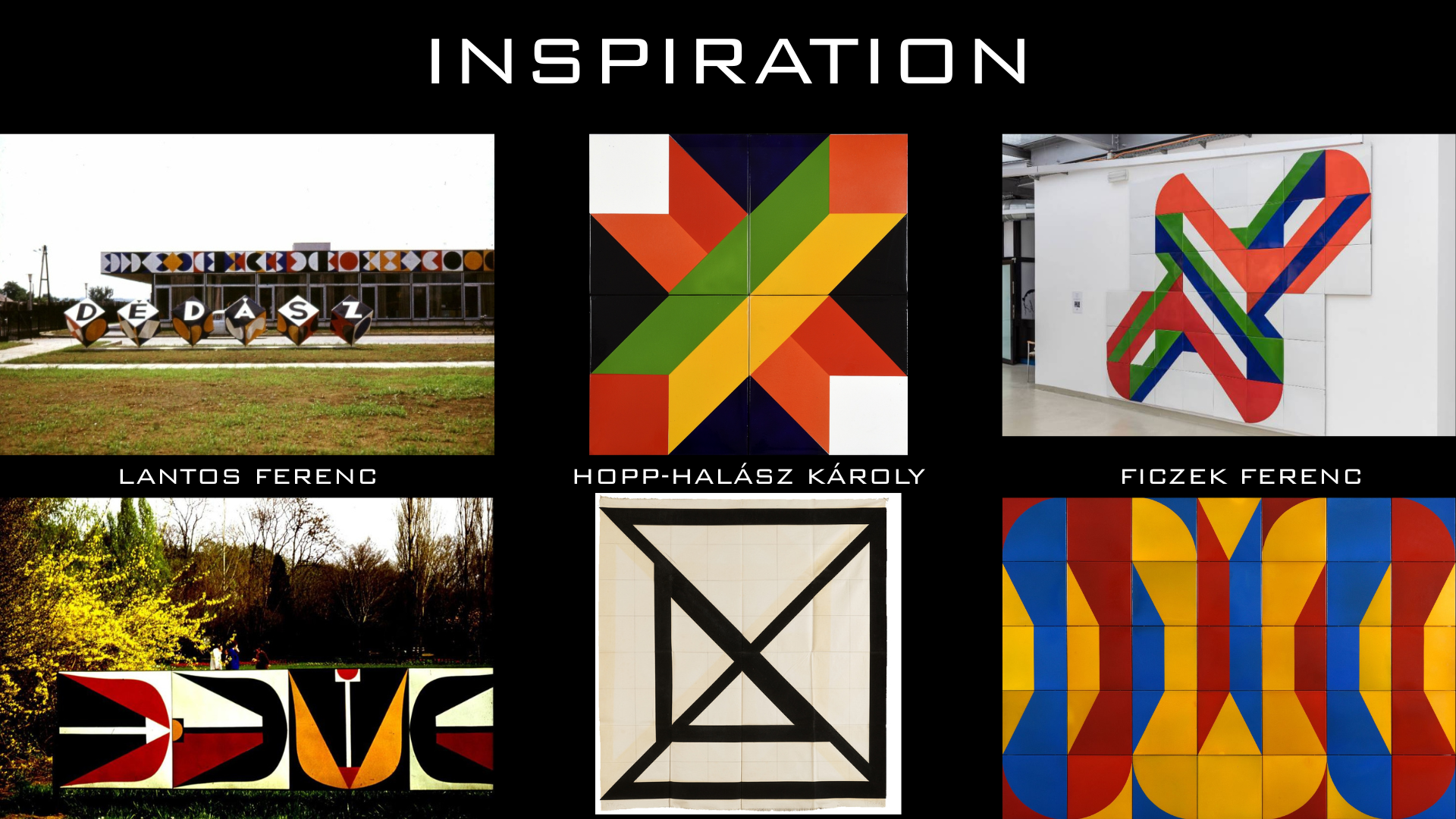
Nowadays, sustainability has become particularly crucial in the fashion industry, as the textile and fashion sector is one of the most polluting industries in the world. Fast fashion is largely responsible for this situation. It is based on mass production, where as many clothes as possible are manufactured at low prices using the cheapest possible materials and production methods, while constantly adapting the designs to current trends. These low prices encourage consumers to buy more, and the rapidly changing trends ensure that customers hoard clothing. Alongside mass production, habits of overconsumption emerge, and together, reinforcing one another, they exacerbate environmental pollution. In response to this, I designed a modular system. This system is built from identical elements that can be interlocked due to their shape. Users can build whatever they want from these components, which helps reduce the urge to buy. If they grow tired of the product’s current form, they can simply rebuild it instead of purchasing something new. Due to its formal versatility, this is a multifunctional product: it can be used to create anything from jewelry-like accessories to belts, bags, and even garments. As a result, it replaces several items that people would otherwise buy separately, thereby reducing the sheer volume of purchased goods. To achieve a self-supporting structure, I worked with calf leather, as it provides the necessary rigidity. It was important to me to work with real leather because, as a natural material, it is more biodegradable than synthetic leather made from plastic. Furthermore, leather is a byproduct of the meat industry, so if we did not utilize the resulting hides, they would go to waste. Therefore I believe that using real leather is more sustainable the using synthetic leathers. When designing my project, I drew inspiration from the works of 1970s Hungarian artists, like Lantos Ferenc, Hopp-Halász Károly and Ficzek Ferenc, who disrupted the flat and repetitive aesthetic of the era’s socialist architecture using colorful, geometrically patterned modular decorative elements. They believed that art belongs to everyone, so by placing their works in public spaces, anyone could experience their magic. Similarly, through my work, I invite consumers into a collaborative creative process. I provide them with the foundation, from which they can create whatever they desire according to their own creativity.
 Copy URL
 Login to Like 0