Mbozi Bag (Catepillar)
Category: Accessories
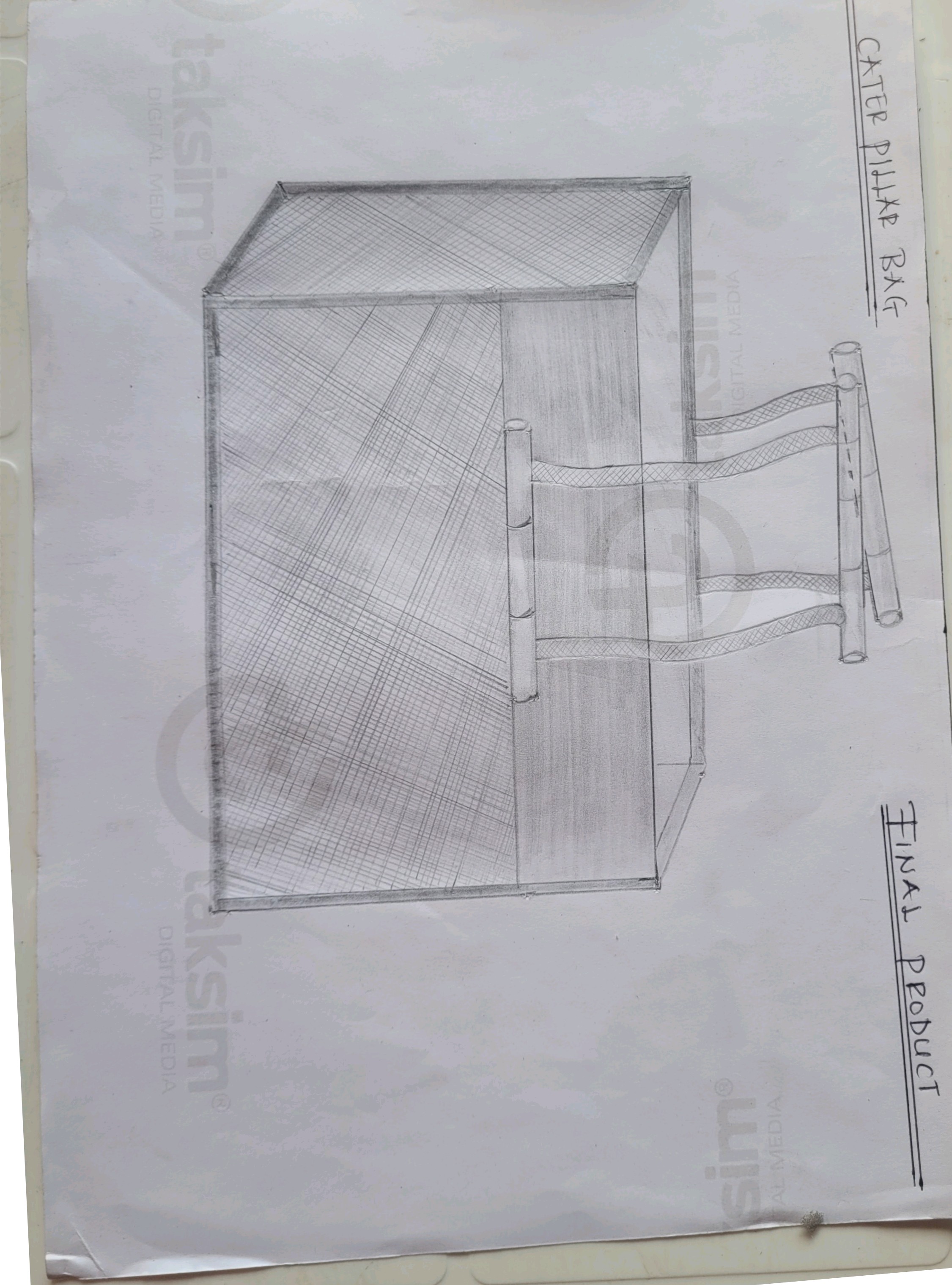
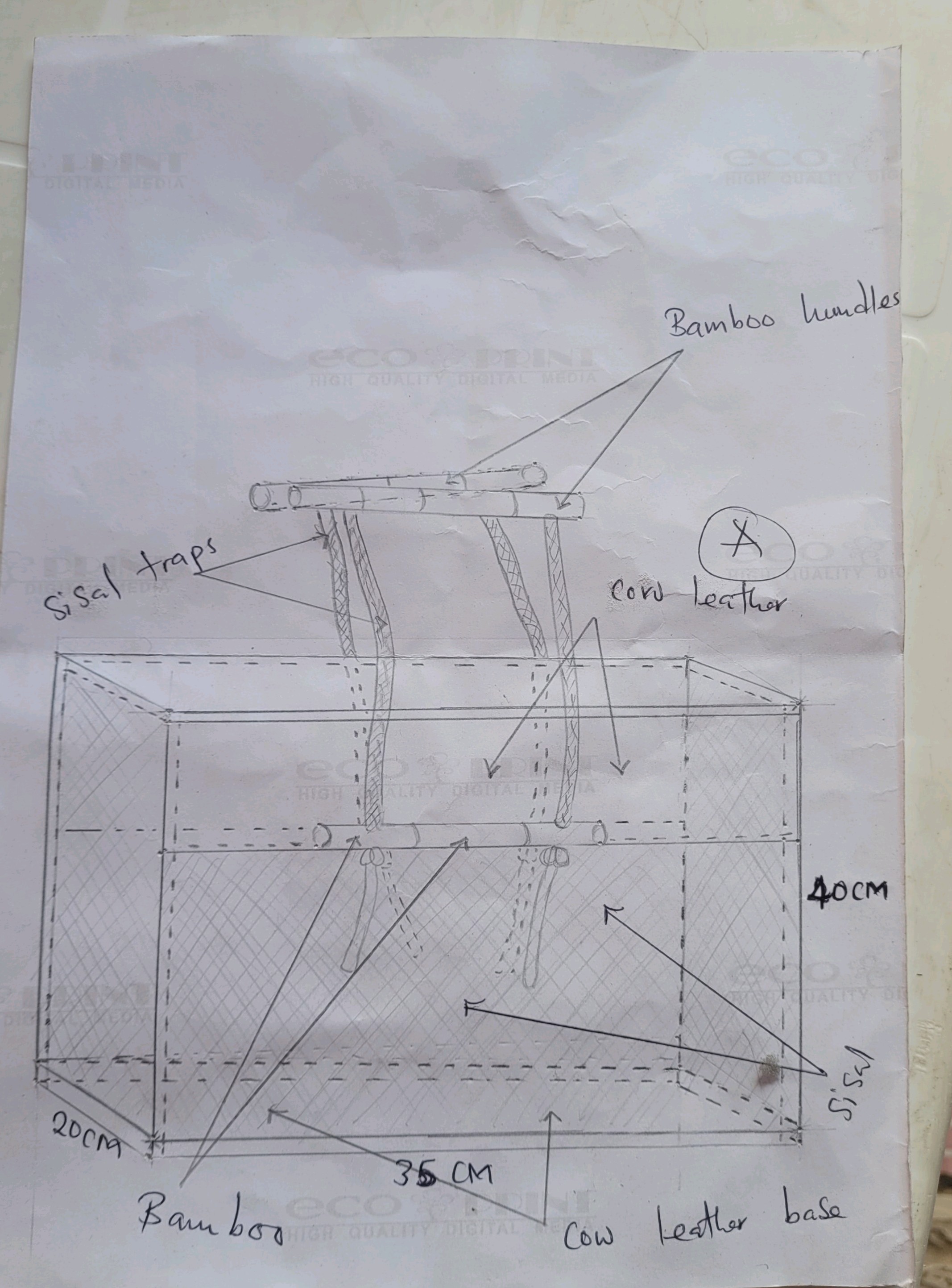
Malawi’s markets face a pressing problem. Imported plastic bags pollute Lake Malawi, clog urban drainage, and create landfill waste while offering no cultural value. They undercut rural artisans and break the link between daily trade and heritage craft. Current leather alternatives fail market women because they rely on imported synthetic linings and metal hardware, trap heat that spoils produce, and are too costly to repair locally. The result is environmental harm and lost economic opportunity for communities. The Mbozi Bag delivers a direct solution rooted in Malawian heritage and circular design. Named mbozi, the Chichewa word for caterpillar, it symbolizes transformation and resilience from local folklore. We replace plastic and imports with 100% locally sourced materials. Vegetable-tanned cow leather from our regional tanneries forms a durable, unlined body that allows air ventilation to keep tomatoes, greens, and fish fresh. This eliminates synthetic linings, reduces weight, and simplifies local repair. Hand-braided sisal from Chikwawa and Nsanje creates breathable gussets and a reinforced base that echoes the traditional *dengu* basket. Lightweight bamboo handles, shaped by Shire Valley carvers, reference river traditions and remove the need for metal fittings. Every leather offcut is recycled into key fobs and strap keepers, ensuring a zero-landfill process. Designed for daily market use, the wide-mouth, open-top form is easy to load, carry, and clean. Traditional saddle stitching and bamboo joinery guarantee strength, and the entire bag can be serviced by local cobblers. This approach supports sisal farmers, tanners, and bamboo artisans, rebuilding rural craft economies. Mbozi Bag merges Lake and Highlands heritage with functional luxury, proving that sustainability, cultural identity, and market viability can share one handle. It is a practical heirloom for the modern Malawian vendor, built to go to the market every day without costing the earth. Mbozi Bag: Carrying Heritage, Not Waste
 Copy URL
 Login to Like 0